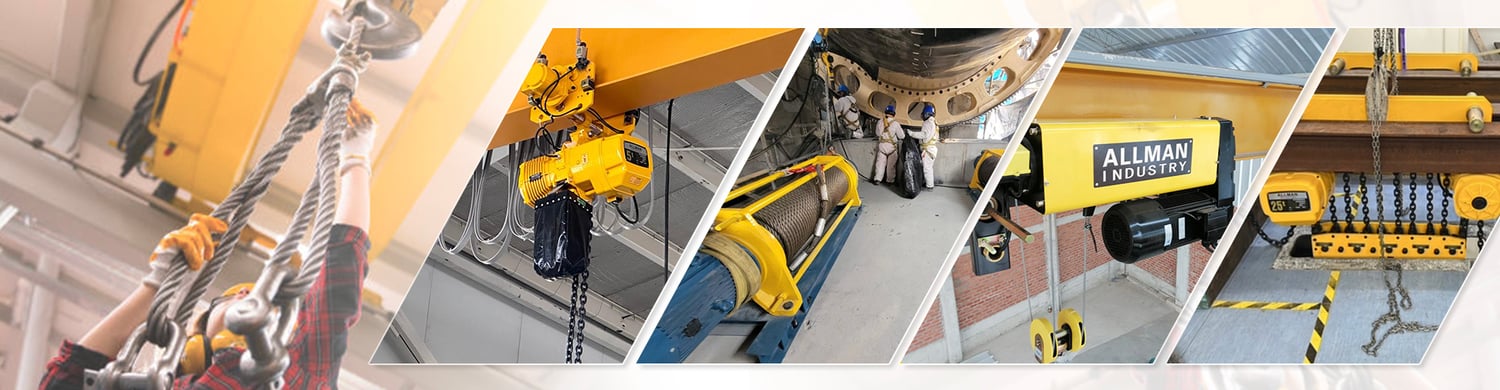
Comprehensive Guide to BHW Manual Winch Operation: Safety, Techniques, and Maintenance
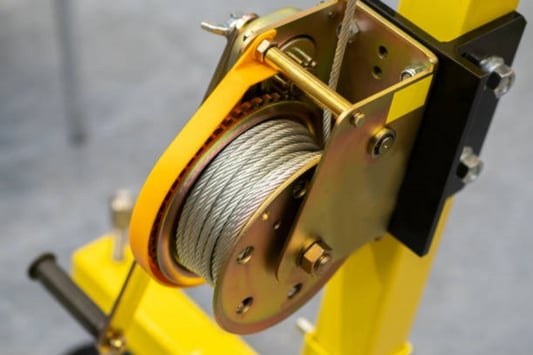
Understanding the Basics of BHW Manual Winch OperationThe BHW manual winch is a mechanical device designed primarily for lifting, pulling, or securing loads with human power. Understanding the fundamental principles of BHW manual winch operation is crucial for effective and safe use. This winch typically consists of a drum, handle, gears, and a brake mechanism, enabling controlled loading and unloading. Mastering these basics ensures users maximize efficiency during tasks such as vehicle recovery, material handling, or small construction projects.Key Components and Their Functions in BHW Manual Winch OperationEach component in a BHW manual winch plays a specific role in its overall operation. The drum holds the cable or rope, the handle provides the manual leverage, and the gear system amplifies force. The brake mechanism is vital for controlling the load and preventing slippage. Familiarity with these parts allows users to troubleshoot problems, perform maintenance, and operate the winch safely and effectively during manual winch operation.Safety Protocols Essential for BHW Manual Winch OperationOperating a BHW manual winch demands strict adherence to safety protocols to prevent accidents and equipment damage. This entails inspecting cables and gear mechanisms before use, wearing protective gloves, and ensuring the winch is mounted on stable surfaces. Additionally, never exceeding the rated load capacity and maintaining clear communication during winching operations reduces risk. Proper safety measures should be a priority in every BHW manual winch operation scenario.Step-by-Step Guide to Proper BHW Manual Winch OperationTo operate the BHW manual winch efficiently, start by securely fastening the winch to a stable anchor point. Then, attach the cable hook to the load. Begin turning the handle in a smooth, controlled manner to wind the cable onto the drum, lifting or pulling the object. Continuous monitoring prevents cable slack and ensures the load moves steadily. Releasing the brake carefully after completing the pull is key to maintaining control post-operation.Common Applications of BHW Manual Winch Operation in Various IndustriesBHW manual winch operation is widely utilized across industries such as automotive recovery, agriculture, construction, and marine sectors. Its portability and mechanical simplicity make it ideal for tasks like vehicle towing, lifting materials onto scaffolds, or adjusting boat positions. Understanding the specific demands of each sector helps tailor winch operation techniques, ensuring optimal performance and task completion.Maintenance Tips to Enhance Longevity in BHW Manual Winch OperationRegular maintenance is vital for sustaining the reliability and performance of a BHW manual winch. Key tasks include lubricating moving parts, inspecting cables for frays or damage, and tightening bolts or screws periodically. Cleaning dirt and debris from gears and handles prevents wear and tear. Proactive maintenance routines significantly improve the efficiency and safety of every BHW manual winch operation over time.Common Troubleshooting Issues During BHW Manual Winch OperationUsers may encounter problems such as cable slippage, gear jamming, or handle stiffness during BHW manual winch operation. Diagnosing the cause involves checking for worn-out cables, insufficient lubrication in gears, or damaged brake components. Addressing these issues promptly improves operational efficiency and prevents more serious mechanical failures, ensuring that the winch remains a dependable tool.Ergonomic Considerations in BHW Manual Winch OperationGiven its manual nature, ergonomics play a significant role in BHW manual winch operation. Proper body positioning, consistent rhythm during handle turning, and use of suitable grip can reduce operator fatigue and the risk of musculoskeletal injuries. Incorporating ergonomic principles enhances productivity and safety, making it easier to handle heavier loads with less strain during extended usage.Comparing BHW Manual Winch Operation with Powered Winching SystemsWhile powered winches offer automation and speed, BHW manual winch operation remains favored for its simplicity, portability, and lower cost. Manual winches do not rely on battery or electrical sources, making them indispensable in remote locations. Understanding when to use a manual winch versus a powered system depends on factors such as load weight, terrain, and operational environment.Advancements and Innovations in BHW Manual Winch OperationRecent advancements in BHW manual winch operation include improvements in materials, such as corrosion-resistant metals and synthetic cables, which enhance durability and usability. Modern ergonomically designed handles and improved braking systems contribute to user comfort and operational safety. These innovations continue to make BHW manual winch operation more efficient, extending their relevance in modern industrial and recreational applications.Quote Inquirycontact us
READ MORE
Manual Winch Safety Tips: Essential Guidelines for Safe Operation
Understanding the Importance of Manual Winch Safety Manual winches are indispensable tools widely used for lifting and pulling heavy loads. However, improper handling can lead to serious accidents and equipment damage. Prioritizing Manual Winch Safety Tips is crucial to ensuring both operator safety and the longevity of the device. Awareness and adherence to safety guidelines significantly reduce risks associated with manual winch use. Inspection Before Use: The First Line of Defense A thorough inspection of the manual winch before each use is vital. Check for signs of wear, frayed cables, broken hooks, or any mechanical damage. Identifying defects early prevents malfunctions during operation. Lubricate moving parts as necessary, and always ensure the winch is firmly secured to its anchor point to avoid slippage or detachment during operation. Proper Loading Techniques to Avoid Overstrain Overloading a manual winch beyond its rated capacity is a leading cause of equipment failure. Always verify the maximum load limit specified by the manufacturer and never exceed it. Distribute weight evenly and use appropriate attachments such as shackles and slings to minimize stress on the winch components. This approach prevents cable snapping and mechanical breakdown. Securing the Load Correctly The way loads are attached to the manual winch impacts overall safety. Use secure, reliable hitch points on the load, and ensure cables or straps are properly tensioned and free from twists or knots. Incorrect load securing can cause sudden shifts or dropping, endangering both the operator and bystanders. Safe Operational Practices During Winching Operate the winch at a controlled pace, avoiding sudden jerks or rapid movements which could cause cable snapback. Maintain clear communication with anyone involved in the task, and never stand directly in line with the winch cable under tension. Utilizing gloves offers protection from cable burrs and enhances grip during handling. Using Protective Gear to Enhance Safety Wearing personal protective equipment (PPE) such as gloves, safety glasses, and sturdy boots can significantly reduce injury risk. Gloves protect hands from rope burns and cuts, while eye protection guards against debris or broken cable strands. Proper footwear ensures steady footing, especially in unstable or uneven work environments. Maintaining a Safe Distance: Keeping People Out of Harm’s Way Always keep bystanders and unnecessary personnel away from the winching area. The potential for cable failure or load displacement necessitates establishing safety zones. Use barriers, warning signs, or designated spotters to maintain a safe perimeter, minimizing the chance of accidental injuries. Emergency Procedures and Stop Mechanisms Understanding emergency protocols is an often-overlooked component of manual winch safety. Familiarize yourself with the winch’s braking system and emergency stop functions. In the event of sudden malfunctions or unexpected load shifts, being able to quickly disengage the winch can prevent accidents and equipment damage. Regular Maintenance for Longevity and Safety Scheduled maintenance is essential to manual winch safety. Clean and lubricate moving parts regularly, inspect cables for rust or corrosion, and replace worn components promptly. Proper upkeep not only extends the winch’s lifespan but also ensures the safety mechanisms function correctly when needed. Training and Adherence to Safety Standards Comprehensive training in manual winch operation, emphasizing safety tips and procedures, is critical for safe handling. Operators should be well-versed in load calculations, equipment limitations, and emergency responses. Adhering to industry safety standards and manufacturer guidelines prevents misuse and fosters a culture of safety at every level. Quote Inquirycontact us
READ MORE
BHW Winch Maintenance Guide: Essential Tips for Peak Performance
Understanding the Importance of Regular BHW Winch MaintenanceMaintaining a BHW winch is crucial to ensure its longevity and reliable performance. Regular maintenance prevents unexpected breakdowns, enhances safety during operation, and reduces repair costs. Given the winch’s role in heavy-duty lifting and pulling tasks, neglecting routine care can result in mechanical failures that compromise both equipment and user safety.Inspecting the BHW Winch Cable for Wear and DamageOne of the primary focuses in the BHW Winch Maintenance Guide is the thorough inspection of the cable or rope. Look for fraying, kinks, corrosion, or broken strands that can reduce cable strength. Damaged cables are unsafe and should be repaired or replaced promptly to prevent accidents and maintain optimal winching performance.Lubrication Practices Tailored for BHW WinchesProper lubrication is vital to reduce friction between the moving parts of a BHW winch. Use manufacturer-recommended lubricants on gears, bearings, and the cable drum. Regular lubrication prevents rust formation and prolongs mechanical efficiency, ensuring smooth operation even under heavy loads and harsh environmental conditions.Cleaning and Debris Removal for Optimal Winch FunctionalityDirt, dust, and debris can accumulate on the winch components, leading to accelerated wear and corrosion. This maintenance step involves cleaning the winch after each use, especially if it has been exposed to mud or saltwater. Using a soft brush and mild detergent can aid in keeping the winch components clean and functioning properly.Checking the Electrical Connections and ControlsThe electrical system in a BHW winch requires routine checks to ensure consistent power delivery. Inspect the battery terminals, wiring harness, and control switches for corrosion, loose connections, or damage. Maintaining the electrical components ensures that the winch’s motor operates at optimum efficiency and reliability.Testing the Brake System for Safety AssuranceThe winch brake is a critical safety feature that prevents uncontrolled spool-out of the cable. The maintenance guide emphasizes frequent testing of the brake’s function, including the mechanical brakes or electric braking systems. Any signs of weakness or failure require immediate attention and repair to uphold operational safety standards.Evaluating Gearbox Health and Fluid LevelsThe gearbox in a BHW winch transmits power to the drum and requires proper care. Regularly check the gearbox oil or grease levels and replace them according to the maintenance schedule. Inspect gears for signs of wear or damage, as faulty components can lead to power loss or winch failure during demanding operations.Storage Tips to Preserve BHW Winch IntegrityProper storage when a winch is not in use helps maintain its condition. Store the BHW winch in a dry, sheltered location to prevent moisture accumulation, which leads to rust and corrosion. Covering the winch with a protective tarp or case further shields it from dust and environmental damage.Scheduling Professional Inspections and RepairsWhile routine owner maintenance is essential, periodic professional inspections enhance the longevity of the BHW winch. Skilled technicians can identify subtle issues that may be overlooked and perform necessary repairs or part replacements. Following professional check-ups prevents expensive breakdowns and ensures compliance with warranty requirements.Documenting Maintenance Activities and FrequencyKeeping detailed records of all maintenance activities, such as inspections, lubrication, cleaning, and repairs, forms an important part of the BHW Winch Maintenance Guide. This documentation helps owners track the winch’s condition, schedule timely upkeep, and validate service history for resale or warranty claims. Consistent record-keeping also supports best practices for safety and performance management.Quote Inquirycontact us
READ MORE
Manual Winch Installation Steps: A Complete Guide for Safe and Efficient Setup
Understanding the Importance of Proper Manual Winch Installation Proper Manual Winch Installation Steps are critical to ensure safe and effective operation. A well-installed winch can prevent accidents, reduce wear and tear, and enhance performance. Neglecting correct installation can lead to mechanical failure or personal injury. This guide outlines fundamental steps to help users install manual winches correctly and securely. Selecting the Right Location for Manual Winch Installation Choosing the ideal mounting location is the first essential step in manual winch installation. The site must be flat, sturdy, and capable of withstanding the load forces generated during winching. Popular locations include boat trailers, trucks, and utility carts. Proper positioning helps maximize leverage and ease of use, which is crucial for manual operation. Gathering Necessary Tools and Materials Before Installation Before beginning manual winch installation steps, assembling the right tools is essential. Common tools include wrenches, sockets, drills, screwdrivers, and measuring tapes. Additionally, materials like mounting bolts, washers, and locking nuts should be on hand. Preparation simplifies the installation process and ensures all steps are completed efficiently. Inspecting the Manual Winch Components for Damage Inspecting the manual winch and its components prior to installation is a crucial safety measure. Check for any manufacturing defects, rust, or damage to the cable, drum, handle, and mounting plate. Installing a compromised winch can reduce effectiveness and pose safety risks during operation. Marking and Drilling Mounting Holes Accurately One pivotal step in manual winch installation is marking drilling points to fit the mounting holes precisely. This requires careful measurement and alignment with the manual winch’s base plate. Using a template or the winch itself as a guide helps avoid misalignment, ensuring that bolts fit securely and the winch operates smoothly. Securing the Manual Winch with Appropriate Hardware Using the correct bolts, nuts, and washers is essential in securing the manual winch firmly to the mounting surface. Hardware should match the winch manufacturer’s recommendations to handle the anticipated forces. Over-tightening or under-tightening can deteriorate mounting strength, so torque specifications should be followed carefully. Attaching the Winch Cable or Strap Safely Proper attachment of the winch cable or strap is a fundamental step in manual winch installation. Ensure the cable is wound correctly around the drum, with no twists or overlaps that could cause jamming. Secure the cable’s hook or fastening device properly to the load or anchor point, minimizing the risk of slippage. Testing Winch Operation Before Full Use Testing the installed manual winch ensures functionality and safety. Operate the winch handle to check smoothness and engagement of the ratchet mechanism. Confirm the cable retracts and releases without resistance, and listen for unusual sounds indicating mechanical issues. Addressing problems during testing prevents failures in real scenarios. Performing Routine Maintenance Post-Installation Following manual winch installation steps, regular maintenance is vital to prolong winch life and maintain performance. Lubricate moving parts, inspect the cable for fraying, and tighten mounting bolts routinely. Maintenance checks reduce the likelihood of unexpected failures when the winch is needed most. Safety Precautions and Best Practices During Installation Adhering to safety precautions during manual winch installation prevents injuries and ensures effective use. Wear protective gloves and eyewear, avoid loose clothing near moving parts, and work in well-lit areas. Understanding load limits and never exceeding the winch’s rated capacity are also key to safe operation. Quote Inquirycontact us
READ MORE
BHW Winch Load Handling: Enhancing Efficiency and Safety in Heavy Lifting
Introduction to BHW Winch Load HandlingBHW Winch Load Handling represents a critical component in modern material lifting and transportation industries. Designed to provide controlled, reliable movement of heavy loads, BHW winches offer robust performance in diverse industrial applications. Their ability to handle significant weight with precision makes them invaluable in sectors such as construction, shipping, and manufacturing.Key Features of BHW Winch Load Handling SystemsBHW Winch Load Handling systems are characterized by high load capacity, efficient braking mechanisms, and durable construction materials. These winches often incorporate steel cables or synthetic ropes optimized for heavy-duty use. Features such as adjustable speed control and automatic load-sensing technology enable operators to manage complex lifting tasks safely and efficiently.Applications Across Various IndustriesThe versatility of BHW Winch Load Handling solutions allows their use in a multitude of industries. From offshore oil platforms and mining operations to construction sites and warehouses, these winches handle tasks ranging from lifting heavy equipment to pulling cargo. Their adaptability to challenging environments underscores their industrial significance.Safety Considerations in BHW Winch Load HandlingSafety is paramount when working with heavy loads. BHW Winch Load Handling systems are equipped with multiple safety features including overload protection, emergency stop functions, and fail-safe braking to prevent accidents. Proper training and adherence to operational guidelines further enhance safe usage of these winching tools.Technological Innovations in BHW Winch Load HandlingRecent advancements have introduced smart controls and remote operation capabilities to BHW Winch Load Handling. Integration with IoT devices allows real-time monitoring of load weight, cable tension, and winch status, providing actionable data to prevent equipment failure and improve operational efficiency.Maintenance Requirements and LongevityRegular maintenance is essential for optimal performance of BHW Winch Load Handling systems. Lubrication of moving parts, inspection of cables for wear and tear, and prompt replacement of damaged components ensure longevity. Scheduled maintenance programs extend the functional lifespan and reliability of the winch equipment.Cost-Benefit Analysis of Implementing BHW Winch Load HandlingInvesting in BHW Winch Load Handling solutions yields both immediate and long-term benefits. While the initial cost may be significant, increased operational efficiency, reduced downtime, and enhanced worker safety ultimately lower overall expenses. These winches also minimize the need for manual labor, further reducing labor costs.Customization and Scalability OptionsBHW Winch Load Handling can be customized to meet specific operational needs. Options include varying load capacities, cable lengths, and power sources such as electric, hydraulic, or pneumatic systems. Scalability ensures these winches can evolve with the growing demands of a business or project.Environmental Impact and SustainabilityModern BHW Winch Load Handling technologies are increasingly designed with environmental considerations. Energy-efficient motor systems reduce power consumption, and the use of recyclable materials in winch components supports sustainability goals. Properly maintained winches also reduce the risk of environmental hazards caused by equipment failure.Future Trends in BHW Winch Load HandlingLooking ahead, BHW Winch Load Handling is expected to benefit from enhanced automation, AI-powered diagnostics, and improved integration with broader industrial control systems. These advancements will allow for more precise load management, minimizing human error and maximizing productivity in heavy load handling operations.Quote Inquirycontact us
READ MORE
Manual Winch Troubleshooting: A Comprehensive Guide to Efficient Repairs
Understanding Common Manual Winch ProblemsManual winches are essential tools for lifting and pulling heavy loads, but they can develop issues over time. Common problems include excessive resistance, failure to hold load, and unusual noises during operation. Recognizing these symptoms early is crucial for effective Manual Winch Troubleshooting and preventing further damage to the equipment.Identifying Cable and Rope IssuesA frequent cause of manual winch malfunction is problems with the cable or rope. Fraying, kinks, or corrosion can weaken the cable and hinder smooth operation. During manual winch troubleshooting, closely inspect the entire length of the cable for any visible signs of wear or damage, and replace it if necessary to maintain safe and efficient use.Diagnosing Brake System MalfunctionsThe brake system in a manual winch plays a vital role in controlling load descent and holding cargo securely. If the winch fails to hold under load or shows slipping, the brake mechanism might be worn or contaminated. Manual winch troubleshooting should include testing brake pads, springs, and ratchets, cleaning components, and replacing worn parts to restore proper function.Lubrication and Its Impact on PerformanceLack of lubrication is one of the most common causes of manual winch problems. Gears and moving parts can seize or grind when dry, resulting in stiff operation or complete failure. Regular maintenance and manual winch troubleshooting involve applying the correct lubricant to gears, bearings, and shafts to ensure smooth and quiet performance.Assessing Handle and Gear EngagementManual winches rely on a handle and gear system to convert user effort into mechanical advantage. If the handle slips, feels loose, or the gears fail to engage properly, the winch will not function as intended. During manual winch troubleshooting, inspect the gear teeth for damage or wear and ensure the handle and ratchet mechanism are correctly aligned and secure.Checking for Frame and Structural IntegrityStructural issues such as bent frames or misaligned mounting points can impede a manual winch’s operation and reduce safety. Manual winch troubleshooting should include a thorough examination of the frame for cracks, bends, or corrosion to prevent failure during heavy lifting tasks. Repair or replace damaged components promptly.Evaluating Load Capacity and Usage LimitsUsing a manual winch beyond its rated load capacity can cause premature failures and complicate troubleshooting efforts. Always verify that the load being moved is within the winch’s specified limits. Proper load management is an essential aspect of manual winch troubleshooting to avoid unnecessary wear and ensure reliable performance.Addressing Environmental Factors Affecting Winch OperationEnvironmental conditions such as moisture, dirt, and extreme temperatures can accelerate wear and cause manual winch problems. Regular cleaning and protection from harsh environments are key steps in manual winch troubleshooting. Applying rust inhibitors and storing the winch in sheltered areas can extend its lifespan and functionality.How To Perform Routine Maintenance for PreventionRoutine maintenance is the most effective way to avoid frequent manual winch troubleshooting issues. Tasks include cleaning, lubricating moving parts, inspecting cables and brakes, and checking handle and gear operation. Developing a maintenance schedule tailored to usage frequency and environmental exposure will keep your manual winch in optimal condition.When to Seek Professional Repair ServicesSome manual winch problems require expert attention, especially those involving complex gear mechanisms or significant structural damage. If troubleshooting steps fail to resolve issues or signs of serious wear appear, consulting a professional ensures proper diagnosis and repair. Prioritizing safety and functionality helps prevent accidents and extends the life of the manual winch.Quote Inquirycontact us
READ MORE
The Ultimate Guide to BHW Winch Rope Care for Durability and Safety
Understanding the Importance of BHW Winch Rope Care Proper BHW Winch Rope Care is essential to maintain the longevity and performance of winching systems. Neglecting routine maintenance can lead to rope failure, which poses safety risks and costly replacements. Regular care ensures the rope remains reliable when used in off-road recovery, industrial lifting, or emergency situations.Identifying Different Types of BHW Winch Ropes BHW winch ropes commonly come in synthetic and steel varieties. Each type demands distinct care practices. Synthetic ropes require careful handling to avoid abrasion and UV damage, while steel ropes need protection from rust and corrosion. Knowing the specific rope material informs the best maintenance techniques for BHW Winch Rope Care.Routine Cleaning Techniques for BHW Winch Ropes Cleaning BHW Winch Ropes after use prevents dirt, mud, and debris build-up, which accelerates wear. Use mild detergent and water for synthetic ropes, avoiding harsh chemicals. Steel ropes benefit from wire brushing and lubricant application. Keeping ropes clean is a fundamental step in BHW Winch Rope Care.Inspecting for Wear and Damage Regularly Regular inspection for fraying, broken strands, or kinks is crucial. For BHW Winch Rope Care, examine the entire length of the rope, especially under load-bearing sections and near attachment points. Early detection of damage enables timely repair or replacement, enhancing safety and extending rope life.Proper Storage to Prevent Rope Deterioration Store BHW winch ropes in a dry, cool area away from direct sunlight to prevent UV degradation and moisture absorption. Synthetic ropes especially require UV protection. Use spools or rope bags to avoid kinks and tangles. Correct storage methods are key components of effective BHW Winch Rope Care.Lubrication Practices for Steel BHW Winch Ropes Lubrication reduces friction and prevents rust in steel winch ropes. Applying a light coating of wire rope lubricant after cleaning shields the rope from moisture and enhances flexibility. This lubrication is a critical element of maintaining steel ropes under the BHW Winch Rope Care protocol.Avoiding Common Mistakes in BHW Winch Rope Handling Avoid dragging the rope over sharp edges or rough surfaces, as this causes abrasion and fiber breakage. Never overload the winch rope beyond its rated capacity. Using gloves during handling prevents oils and dirt transfer while protecting hands. Avoiding these mistakes greatly improves outcomes of BHW Winch Rope Care.Techniques for Proper Winch Rope Spooling Correct spooling onto the winch drum prevents rope tangling and ensures smooth operation. During BHW Winch Rope Care, wind the rope evenly under consistent tension without overlaps or gaps. Proper spooling reduces rope wear and increases safety during use.Recognizing When to Replace Your BHW Winch Rope Despite thorough care, all ropes have a service life. Replace the BHW Winch Rope if multiple broken strands, severe fraying, or core damage are present. Timely replacement prevents winch failure during critical operations and protects users from injury.Enhancing Winch Rope Longevity Through Proactive Maintenance Integrating BHW Winch Rope Care into routine vehicle or equipment checks prolongs rope life. Documenting inspection results and maintenance actions helps track wear trends, enabling informed decisions on care frequency and rope replacement. Proactive maintenance saves costs and enhances winching performance.Quote Inquirycontact us
READ MORE
Manual Winch Storage Methods: Effective Ways to Preserve and Maintain Your Equipment
Understanding the Importance of Proper Manual Winch Storage Methods Proper storage of manual winches is essential to maintain their functionality and extend their lifespan. Manual winch storage methods prevent corrosion, mechanical damage, and degradation caused by environmental factors. Storing winches correctly ensures they remain reliable for lifting, pulling, or towing tasks, avoiding costly repairs or replacements.Choosing the Right Location for Manual Winch Storage Selecting an appropriate location is a fundamental step in manual winch storage methods. A dry, cool, and well-ventilated area helps prevent rust and deterioration. Avoid storing winches in damp basements, outdoors without proper protection, or areas exposed to direct sunlight, which can degrade materials over time.Cleaning and Maintenance Before Storage Prior to storage, thorough cleaning of the manual winch is vital. Remove dirt, grease, and moisture that could promote corrosion or interfere with the mechanical parts. Lubricating moving components during manual winch storage methods ensures smooth operation and prevents rust buildup during extended periods of inactivity.Using Protective Covers and Casings Protective covers are integral to manual winch storage methods. Custom-fitted covers shield the winch from dust, moisture, and UV rays. Utilizing durable storage casings or boxes adds additional protection against physical impacts and environmental hazards, safeguarding the winch’s structural integrity.Proper Placement and Orientation of the Winch The way a manual winch is positioned during storage affects its longevity. Storing the winch in a horizontal position prevents undue stress on the drum and cable. Avoid hanging winches by their handles or cables to prevent deformation; instead, use designated mounting brackets or shelves that support the complete structure.Preventing Cable Damage During Storage Manual winch storage methods must specifically address cable care. The cable should be fully wound neatly without kinks or tangles. Applying a light layer of corrosion inhibitor on cables and drums during storage can help stop oxidation, ensuring the cable remains flexible and strong for future use.Temperature and Humidity Control for Winch Storage Environmental control plays a crucial role in manual winch storage methods. High humidity accelerates rusting, while extreme temperatures may affect the winch’s lubricants and materials. Using dehumidifiers in storage areas or climate-controlled environments can significantly improve the condition of stored winches.Periodic Inspection and Maintenance During Storage Manual winch storage methods include regular inspection routines. Scheduled checks allow detecting early signs of damage, corrosion, or lubricant drying. Turning the winch handle occasionally during storage redistributes lubricants and prevents parts from seizing, promoting readiness when the winch is needed again.Safe Handling and Transportation Post-Storage After storage, safe handling is paramount to avoid damage. Using appropriate lifting tools and avoiding sudden impacts during removal from storage maintains the manual winch’s condition. Adhering to manual winch storage methods ensures the winch remains intact and operational after transportation.Custom Solutions for Long-Term Manual Winch Storage For businesses or individuals requiring extended storage durations, customized manual winch storage methods offer the best protection. Solutions such as dedicated storage racks, controlled atmosphere chambers, and specialized coatings cater to long-term preservation needs, maximizing service life and operational reliability.Quote Inquirycontact us
READ MORE
Comprehensive Guide to the HSH-V Lever Block: Features, Uses, and Benefits
Introduction to the HSH-V Lever Block The HSH-V Lever Block is a versatile manual hoisting device designed for lifting and pulling heavy loads with precision and ease. It is widely utilized across various industries due to its robust construction and reliable performance. This lever block is highly regarded for its ability to operate safely in environments lacking electrical power, offering a mechanical advantage through a simple lever mechanism.Key Features of the HSH-V Lever Block The HSH-V Lever Block boasts a compact and durable design incorporating a high-quality forged steel body and heat-treated alloy steel load chain. Its components provide outstanding resistance to corrosion and wear, ensuring prolonged service life. Additionally, the block features an efficient braking system that guarantees load holding without slippage, contributing to enhanced safety during operation.Capacity and Load Ratings Available in multiple capacity configurations, the HSH-V Lever Block typically ranges from 0.75 tons to 9 tons, catering to various lifting demands. Each model is tested rigorously to comply with strict industry standards, allowing operators to handle different weight classes confidently. This wide capacity range makes the HSH-V Lever Block suitable for both light and heavy-duty applications.Operational Mechanism Explored The operational process of the HSH-V Lever Block involves manually pulling the lever to engage the load chain and lift or move the load incrementally. The geared system multiplies the input force, enabling a single operator to manage heavy weights with minimal effort. The ratchet and pawl mechanism also prevents backward movement, ensuring load stability throughout the operation.Applications Across Industries Due to its rugged construction and portability, the HSH-V Lever Block finds extensive use in construction sites, manufacturing facilities, shipyards, and warehouses. It is ideal for lifting machinery, positioning heavy parts, tensioning lines, and securing cargo. Its adaptability to various environments makes it an indispensable tool in many industrial workflows.Safety Considerations When Using HSH-V Lever Block Safety is paramount when operating lever blocks, and the HSH-V model incorporates multiple protective features. These include overload protection, a fail-safe braking system, and ergonomic lever design to reduce operator fatigue. Regular inspection of chains and hooks is critical to ensure the unit remains in safe working condition, preventing accidents during lifting tasks.Maintenance and Durability Factors Proper maintenance extends the lifespan of the HSH-V Lever Block significantly. Routine lubrication of chains, checking for wear, and cleaning debris from moving parts help maintain optimal functionality. The block's durable steel construction resists deformation, while replaceable components simplify repairs and help in maintaining continuous operation without costly downtime.Comparison with Other Lever Blocks When compared to similar manual lever blocks, the HSH-V stands out for its superior load capacity range, compact design, and ease of use. Its brake system provides smoother operation and increased reliability over competitive models. Furthermore, its corrosion-resistant materials make it more suitable for outdoor and harsh environmental use.Installation and User Guidelines Setting up the HSH-V Lever Block is straightforward due to its lightweight design and minimal assembly requirements. It should be securely attached to a stable anchor point capable of bearing the load capacity. Users must follow manufacturer guidelines on load limits, lever movements, and chain handling to optimize performance and prevent mechanical failure.Future Trends and Innovations Manufacturers continually evolve the HSH-V Lever Block by integrating advanced materials and ergonomic enhancements. Upcoming models may include improved chain lubrication systems and enhanced safety locks. Industry demands for higher load capacities and more compact designs drive innovation, making the HSH-V Lever Block a prominent tool in future lifting technology.Quote Inquirycontact us
READ MORE