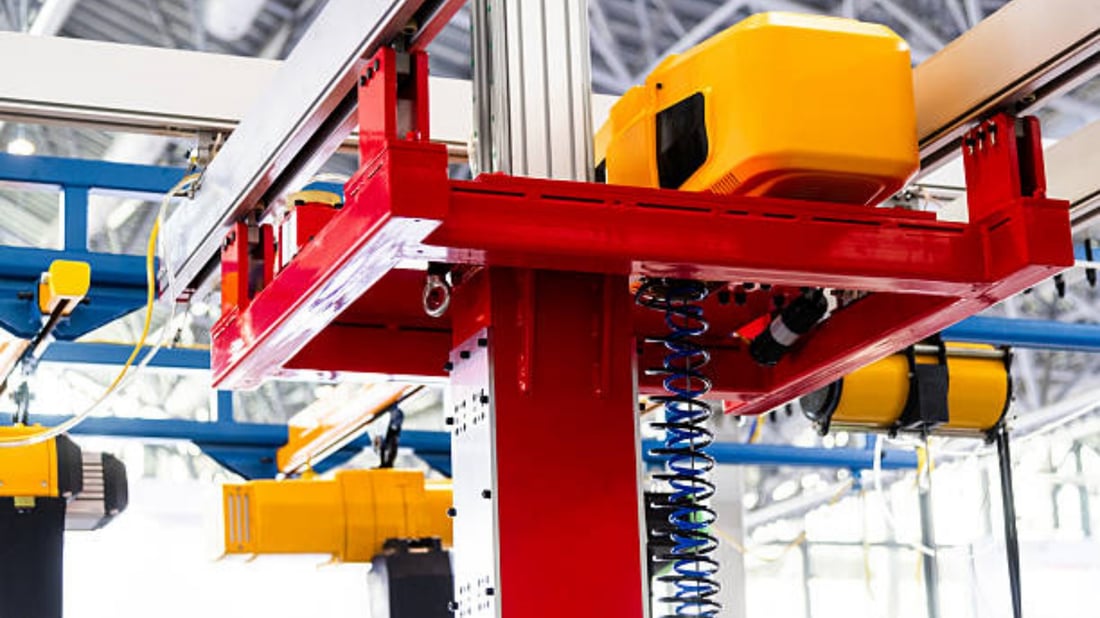
Industrial electric chain hoists are mechanical devices designed for lifting and moving heavy loads efficiently within industrial settings. Utilizing an electrically powered motor combined with a robust chain mechanism, these hoists enable precise control over the vertical movement of materials. Their core functionality revolves around converting electrical energy into mechanical force, allowing operators to handle weights that would otherwise require substantial manual effort or multiple personnel. This makes industrial electric chain hoists indispensable in sectors like manufacturing, construction, and logistics where frequent heavy lifting is required.
Key Components and Construction of Industrial Electric Chain Hoists
The construction of an industrial electric chain hoist involves a durable motor, a chain container, a lifting chain made from alloy steel, a gearbox, a control pendant, and a braking system. The motor drives the gearbox, which increases torque to lift heavy loads through the chain. The chain container ensures that the excess chain is stored safely during operation. High-quality materials and precision engineering guarantee longevity and reliability, enabling the hoist to perform well under continuous industrial use. Proper assembly and maintenance are crucial to preserving the integrity and safety of these components.
Applications Across Industries: Versatility of Industrial Electric Chain Hoists
Industrial electric chain hoists are highly versatile tools used across many sectors including automotive manufacturing, steel production, warehouse management, and shipbuilding. Their ability to lift heavy equipment, machinery parts, and bulky materials safely and efficiently makes them valuable assets for assembly lines, repair shops, and distribution centers alike. In hazardous environments, hoists equipped with explosion-proof motors provide additional safety, allowing usage in petrochemical plants or mining operations. This versatility underscores the importance of choosing the right hoist model tailored to specific industrial needs.
Advantages Over Manual and Other Lifting Equipment
Compared to manual chain hoists or lever hoists, industrial electric chain hoists offer significant advantages including faster lifting speeds, higher load capacities, and reduced physical strain on operators. They also provide smoother motions and better control due to the electric motor’s precision. When compared to wire rope hoists, chain hoists have the benefit of compactness, better resistance to abrasion, and easier maintenance. These features enhance workplace productivity and minimize downtime caused by equipment fatigue or operator injury.
Safety Features and Compliance Standards
Safety is paramount with industrial electric chain hoists, which incorporate features such as emergency stop buttons, overload protection, limit switches, and robust braking systems to prevent accidental drops. Most hoists comply with international safety standards such as ANSI, OSHA, and ISO certifications, ensuring they meet rigorous requirements for safe operation. Proper training for operators and regular inspection routines are essential to maintain compliance and safeguard both personnel and materials during lifting processes.
Load Capacity and Performance Metrics
Industrial electric chain hoists come in various load capacities, ranging from a few hundred kilograms to several tons. Selecting the appropriate load capacity is critical to avoid overloading and potential equipment failure. Performance metrics such as lifting speed, duty cycle, and motor efficiency impact overall productivity and energy consumption. Understanding these parameters helps in choosing a hoist that matches the operational demands without compromising durability or safety.
Installation and Maintenance Best Practices
Correct installation is fundamental for the optimal function of industrial electric chain hoists. This includes mounting on suitable support structures capable of bearing the maximum load, proper electrical hookup, and ensuring unhindered movement of the chain. Routine maintenance involves lubrication of chains and gears, inspection of electrical components, replacing worn-out chains or hooks, and testing safety mechanisms regularly. Adhering to manufacturer guidelines extends hoist lifespan and reduces the risk of unexpected breakdowns.
Technological Innovations Shaping Modern Hoists
Advancements in industrial electric chain hoists involve the integration of smart technology such as wireless remote controls, load monitoring sensors, and automated overload detection systems. These innovations enhance operational accuracy and safety by providing real-time data and preventing overloading. Energy-efficient motors and regenerative braking systems reduce power consumption, making hoists more environmentally friendly while lowering operating costs. Continuous innovation is driving the evolution of hoists to meet the increasing demands of modern industrial environments.
Choosing the Right Industrial Electric Chain Hoist for Your Business
Selecting an industrial electric chain hoist requires consideration of several factors including load capacity, lifting height, power supply type, and environmental conditions. It’s also important to evaluate the frequency and duration of use to determine the required duty cycle rating. Consulting with manufacturers or suppliers can provide valuable insight into model specifications and customization options, ensuring the chosen hoist aligns perfectly with operational requirements and budget constraints.
Future Trends and Market Outlook
The global demand for industrial electric chain hoists is expected to grow steadily due to increasing industrialization and automation. Trends indicate a shift towards more energy-efficient, lightweight, and digitally connected hoists that can integrate with broader factory automation systems. Emphasis on safety and sustainability is driving innovation while regulatory frameworks continue to tighten. Companies investing in advanced industrial electric chain hoists are well-positioned to enhance productivity while maintaining compliance and worker safety in the future industrial landscape.
Quote Inquiry
contact us