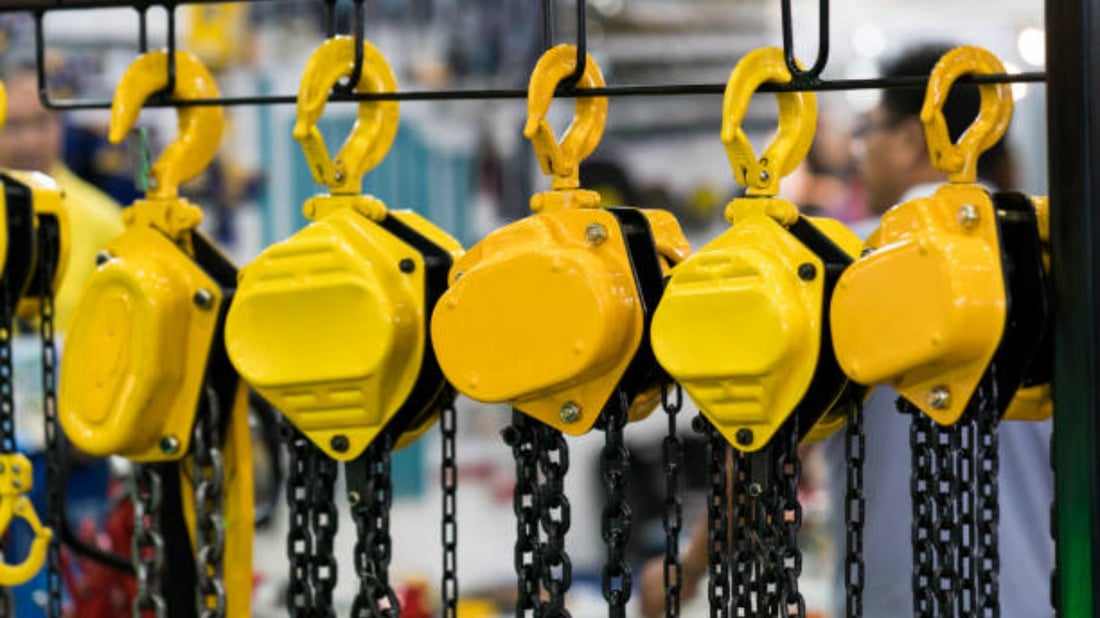
Electric chain hoists are mechanical devices designed to lift and lower heavy loads efficiently using a chain as the lifting medium. Powered by electricity, these hoists offer enhanced speed, safety, and precision compared to manual hoists. Their widespread use spans industries such as manufacturing, construction, warehousing, and automotive, where heavy lifting is a routine task. By automating lifting processes, electric chain hoists improve productivity and reduce the risk of workplace injuries.
Key Components and Design Features
An electric chain hoist mainly consists of a motor, gearbox, load chain, hook, and control system. The motor provides the driving force that powers the gearbox, which regulates speed and torque. The load chain, made of high-strength alloy steel, ensures durability and reliability. The hook securely holds the load, while the control system—often a pendant or remote control—enables precise operation. Modern designs often include built-in overload protection and emergency stop features for enhanced safety.
Advantages Over Manual and Wire Rope Hoists
Electric chain hoists offer significant advantages over manual hoists and wire rope hoists. Unlike manual hoists, they drastically reduce operator effort and lifting time, increasing operational efficiency. Compared to wire rope hoists, chain hoists generally provide better flexibility in handling heavy loads with minimal maintenance. Their compact size suits tight working spaces, and the chain mechanism is less prone to abrasion, making them ideal for rugged industrial environments.
Load Capacity and Performance Metrics
Electric chain hoists come in diverse load capacities, generally ranging from 250 kilograms to over 10 tons. Performance metrics such as lifting speed, duty cycle, and power consumption vary depending on the model and manufacturer. Selecting the appropriate hoist involves understanding the weight of the loads, required lift height, and operational frequency. High-quality electric chain hoists maintain consistent lift speeds regardless of load, ensuring smooth and safe material handling.
Safety Features and Compliance Standards
Safety is paramount when operating electric chain hoists. Modern units integrate overload protection, emergency stop buttons, and limit switches to prevent lifting beyond set heights. Many models comply with international safety standards such as OSHA, CE, and ANSI, ensuring standardized operational protocols. Regular inspection and maintenance are critical to preserving these safety measures and prolonging the hoist’s operational life.
Application Versatility Across Industries
Electric chain hoists are versatile, functioning in a variety of industries including automotive assembly lines, construction sites, manufacturing plants, and warehouses. They are used for tasks such as lifting heavy machinery, assembling large components, and transporting materials. Their adaptability to different environments, including dusty, wet, or confined spaces, makes them indispensable tools for heavy-duty operations.
Energy Efficiency and Cost Considerations
Energy-efficient electric chain hoists reduce operational costs over time by consuming less electricity while delivering powerful lifting performance. Many modern models feature energy-saving motors and regenerative braking systems that recycle energy during lowering operations. Though the initial investment might be higher than manual hoists, the long-term savings and increased productivity justify the cost.
Maintenance Practices for Longevity
Proper maintenance is essential to maximize the life and reliability of electric chain hoists. Routine tasks include lubricating the load chain, inspecting hooks and safety latches, testing control systems, and checking for unusual noises or vibrations. Scheduled professional inspections should focus on wear parts and electrical components. Adhering to manufacturer maintenance guidelines helps prevent unexpected downtime and ensures safe operation.
Technological Innovations and Smart Features
Recent advancements in electric chain hoist technology have introduced smart features such as load monitoring, wireless control, and integrated diagnostics. These innovations enhance operational control and safety by providing real-time data on load weight, cycle count, and maintenance alerts. IoT-enabled hoists can be integrated into industrial automation systems, enabling remote operation and predictive maintenance strategies.
Choosing the Right Electric Chain Hoist for Your Needs
Selecting the ideal electric chain hoist requires careful evaluation of load capacity, lift height, duty rating, and environmental conditions. Consider the frequency of use and required precision, as these impact the hoist’s motor size and control options. Consultation with industry experts and reviewing manufacturer specifications can help in choosing a hoist that meets both operational efficiency and safety requirements.
Quote Inquiry
contact us