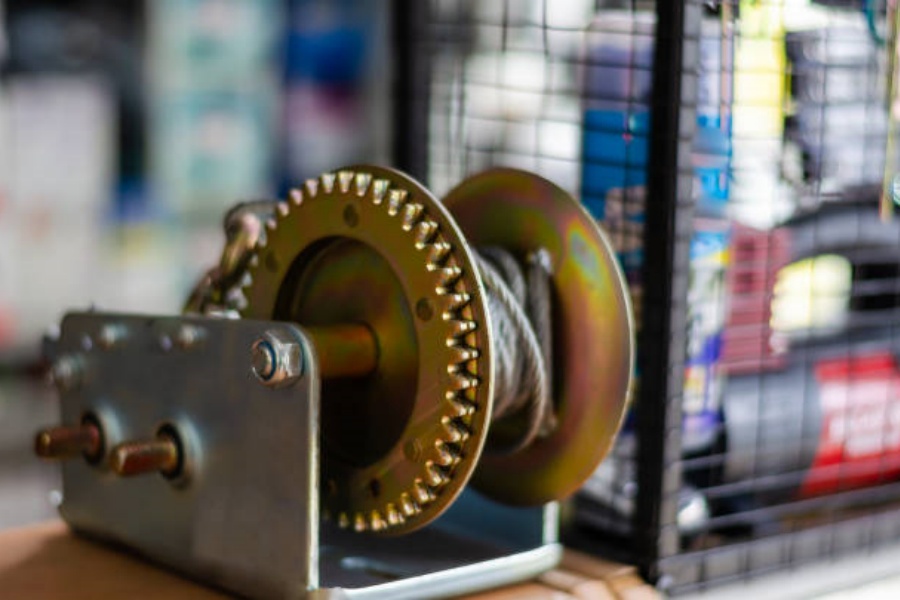
Understanding Common Manual Winch Problems
Manual winches are essential tools for lifting and pulling heavy loads, but they can develop issues over time. Common problems include excessive resistance, failure to hold load, and unusual noises during operation. Recognizing these symptoms early is crucial for effective
Manual Winch Troubleshooting and preventing further damage to the equipment.
Identifying Cable and Rope Issues
A frequent cause of manual winch malfunction is problems with the cable or rope. Fraying, kinks, or corrosion can weaken the cable and hinder smooth operation. During manual winch troubleshooting, closely inspect the entire length of the cable for any visible signs of wear or damage, and replace it if necessary to maintain safe and efficient use.
Diagnosing Brake System Malfunctions
The brake system in a manual winch plays a vital role in controlling load descent and holding cargo securely. If the winch fails to hold under load or shows slipping, the brake mechanism might be worn or contaminated. Manual winch troubleshooting should include testing brake pads, springs, and ratchets, cleaning components, and replacing worn parts to restore proper function.
Lubrication and Its Impact on Performance
Lack of lubrication is one of the most common causes of manual winch problems. Gears and moving parts can seize or grind when dry, resulting in stiff operation or complete failure. Regular maintenance and manual winch troubleshooting involve applying the correct lubricant to gears, bearings, and shafts to ensure smooth and quiet performance.
Assessing Handle and Gear Engagement
Manual winches rely on a handle and gear system to convert user effort into mechanical advantage. If the handle slips, feels loose, or the gears fail to engage properly, the winch will not function as intended. During manual winch troubleshooting, inspect the gear teeth for damage or wear and ensure the handle and ratchet mechanism are correctly aligned and secure.
Checking for Frame and Structural Integrity
Structural issues such as bent frames or misaligned mounting points can impede a manual winch’s operation and reduce safety. Manual winch troubleshooting should include a thorough examination of the frame for cracks, bends, or corrosion to prevent failure during heavy lifting tasks. Repair or replace damaged components promptly.
Evaluating Load Capacity and Usage Limits
Using a manual winch beyond its rated load capacity can cause premature failures and complicate troubleshooting efforts. Always verify that the load being moved is within the winch’s specified limits. Proper load management is an essential aspect of manual winch troubleshooting to avoid unnecessary wear and ensure reliable performance.
Addressing Environmental Factors Affecting Winch Operation
Environmental conditions such as moisture, dirt, and extreme temperatures can accelerate wear and cause manual winch problems. Regular cleaning and protection from harsh environments are key steps in manual winch troubleshooting. Applying rust inhibitors and storing the winch in sheltered areas can extend its lifespan and functionality.
How To Perform Routine Maintenance for Prevention
Routine maintenance is the most effective way to avoid frequent manual winch troubleshooting issues. Tasks include cleaning, lubricating moving parts, inspecting cables and brakes, and checking handle and gear operation. Developing a maintenance schedule tailored to usage frequency and environmental exposure will keep your manual winch in optimal condition.
When to Seek Professional Repair Services
Some manual winch problems require expert attention, especially those involving complex gear mechanisms or significant structural damage. If troubleshooting steps fail to resolve issues or signs of serious wear appear, consulting a professional ensures proper diagnosis and repair. Prioritizing safety and functionality helps prevent accidents and extends the life of the manual winch.
Quote Inquiry
contact us