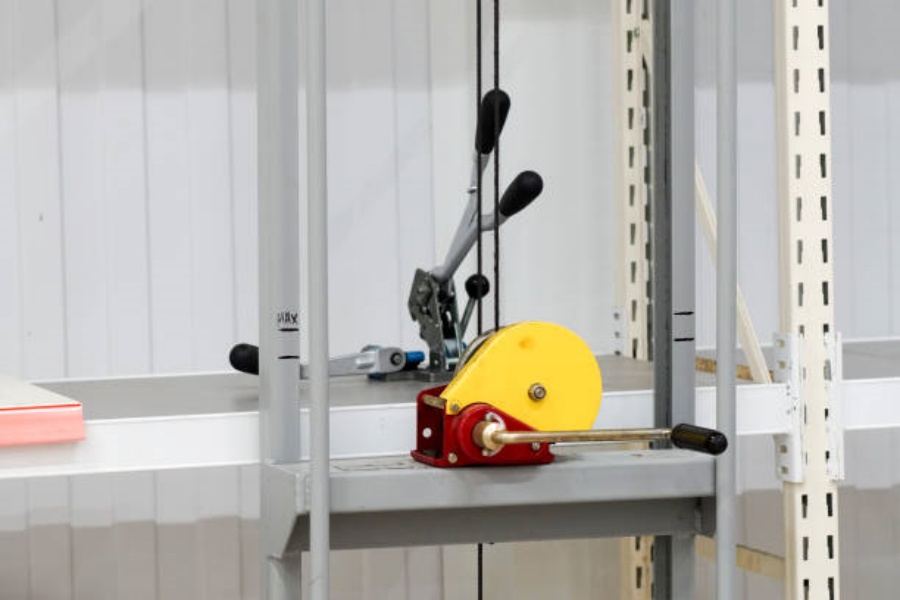
Proper storage of manual winches is essential to maintain their functionality and extend their lifespan. Manual winch storage methods prevent corrosion, mechanical damage, and degradation caused by environmental factors. Storing winches correctly ensures they remain reliable for lifting, pulling, or towing tasks, avoiding costly repairs or replacements.
Choosing the Right Location for Manual Winch Storage
Selecting an appropriate location is a fundamental step in manual winch storage methods. A dry, cool, and well-ventilated area helps prevent rust and deterioration. Avoid storing winches in damp basements, outdoors without proper protection, or areas exposed to direct sunlight, which can degrade materials over time.
Cleaning and Maintenance Before Storage
Prior to storage, thorough cleaning of the manual winch is vital. Remove dirt, grease, and moisture that could promote corrosion or interfere with the mechanical parts. Lubricating moving components during manual winch storage methods ensures smooth operation and prevents rust buildup during extended periods of inactivity.
Using Protective Covers and Casings
Protective covers are integral to manual winch storage methods. Custom-fitted covers shield the winch from dust, moisture, and UV rays. Utilizing durable storage casings or boxes adds additional protection against physical impacts and environmental hazards, safeguarding the winch’s structural integrity.
Proper Placement and Orientation of the Winch
The way a manual winch is positioned during storage affects its longevity. Storing the winch in a horizontal position prevents undue stress on the drum and cable. Avoid hanging winches by their handles or cables to prevent deformation; instead, use designated mounting brackets or shelves that support the complete structure.
Preventing Cable Damage During Storage
Manual winch storage methods must specifically address cable care. The cable should be fully wound neatly without kinks or tangles. Applying a light layer of corrosion inhibitor on cables and drums during storage can help stop oxidation, ensuring the cable remains flexible and strong for future use.
Temperature and Humidity Control for Winch Storage
Environmental control plays a crucial role in manual winch storage methods. High humidity accelerates rusting, while extreme temperatures may affect the winch’s lubricants and materials. Using dehumidifiers in storage areas or climate-controlled environments can significantly improve the condition of stored winches.
Periodic Inspection and Maintenance During Storage
Manual winch storage methods include regular inspection routines. Scheduled checks allow detecting early signs of damage, corrosion, or lubricant drying. Turning the winch handle occasionally during storage redistributes lubricants and prevents parts from seizing, promoting readiness when the winch is needed again.
Safe Handling and Transportation Post-Storage
After storage, safe handling is paramount to avoid damage. Using appropriate lifting tools and avoiding sudden impacts during removal from storage maintains the manual winch’s condition. Adhering to manual winch storage methods ensures the winch remains intact and operational after transportation.
Custom Solutions for Long-Term Manual Winch Storage
For businesses or individuals requiring extended storage durations, customized manual winch storage methods offer the best protection. Solutions such as dedicated storage racks, controlled atmosphere chambers, and specialized coatings cater to long-term preservation needs, maximizing service life and operational reliability.
Quote Inquiry
contact us